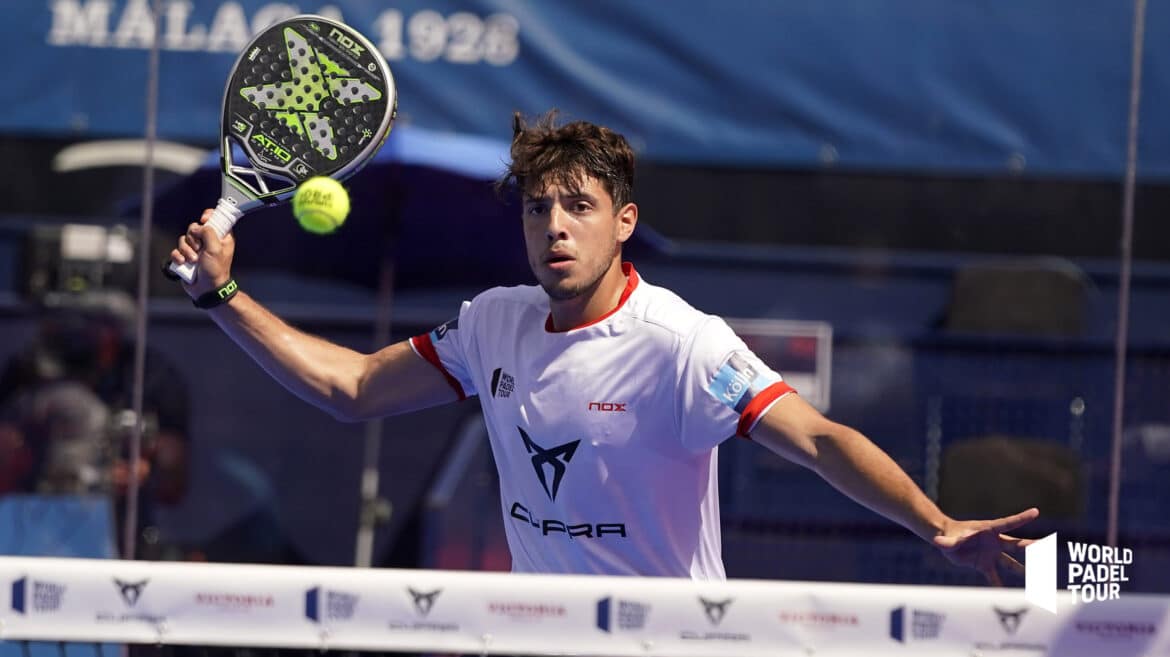
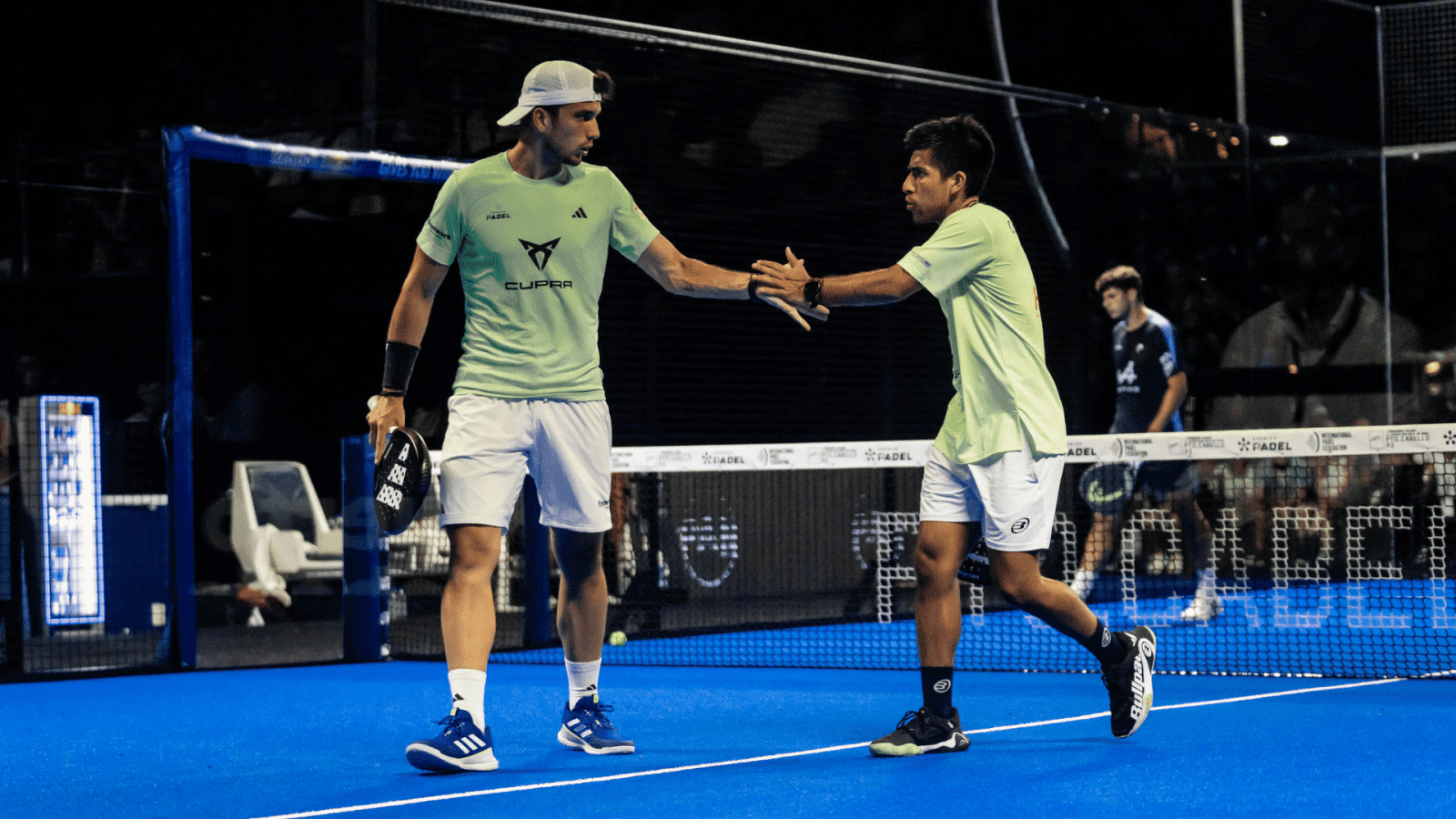
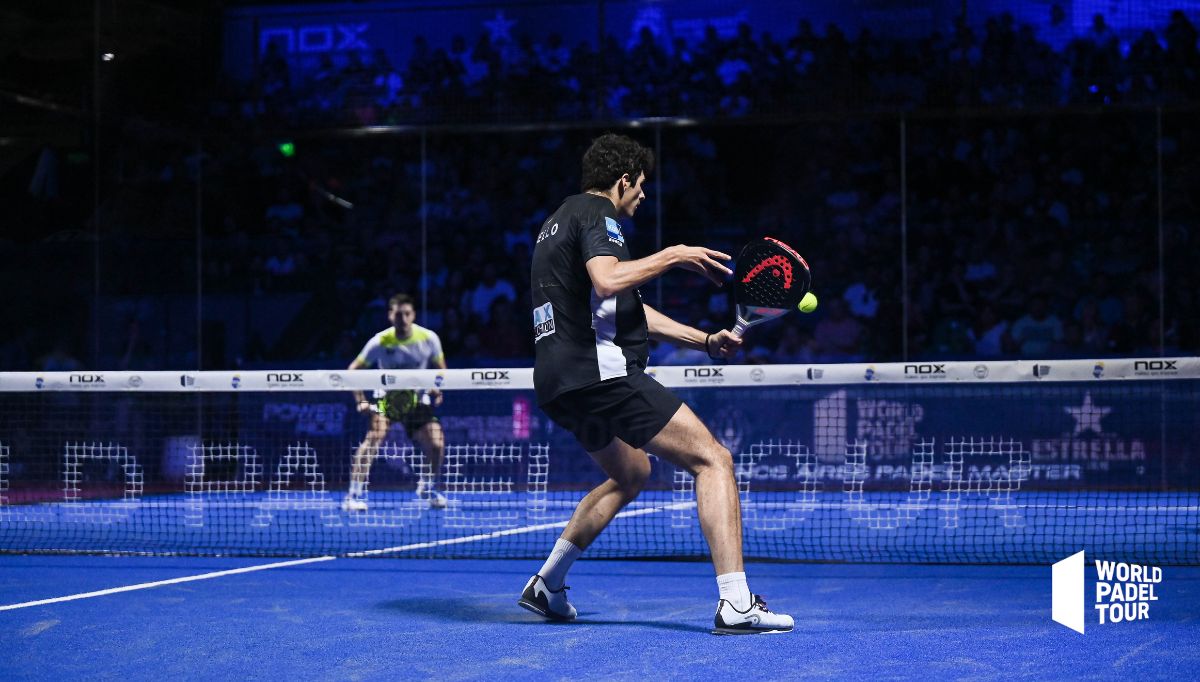
The first volley after the serve is decisive in dictating the dynamics of the point, and attackers can’t afford to make a mistake at the start of the point. However, changing the direction of the ball on the first volley…
This session is for players who attack without precise objectives or a real play plan, relying on an opponent’s mistake to win points. The goal of this session is to teach tactical patterns so you can play consciously with a clear goal—knowing exactly what you’re doing—and thus win points because you played smart…
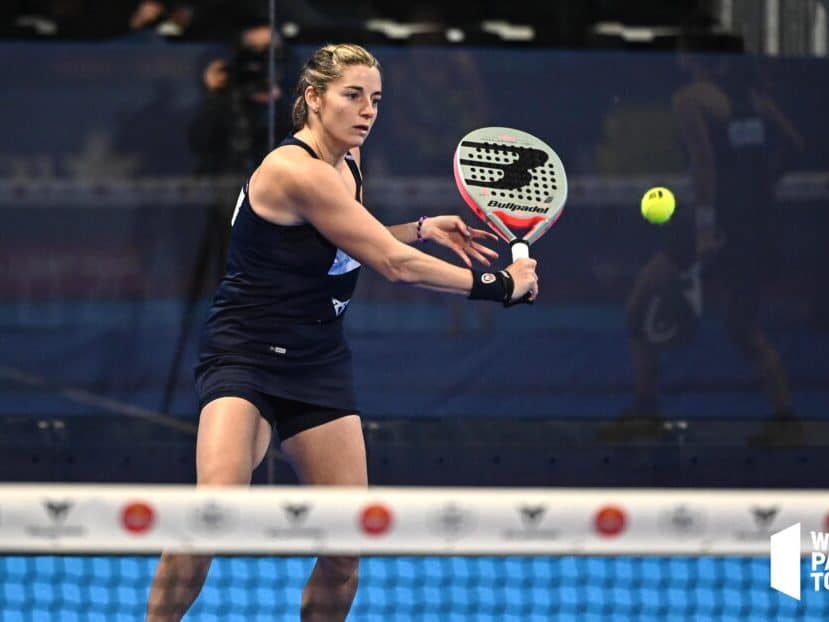
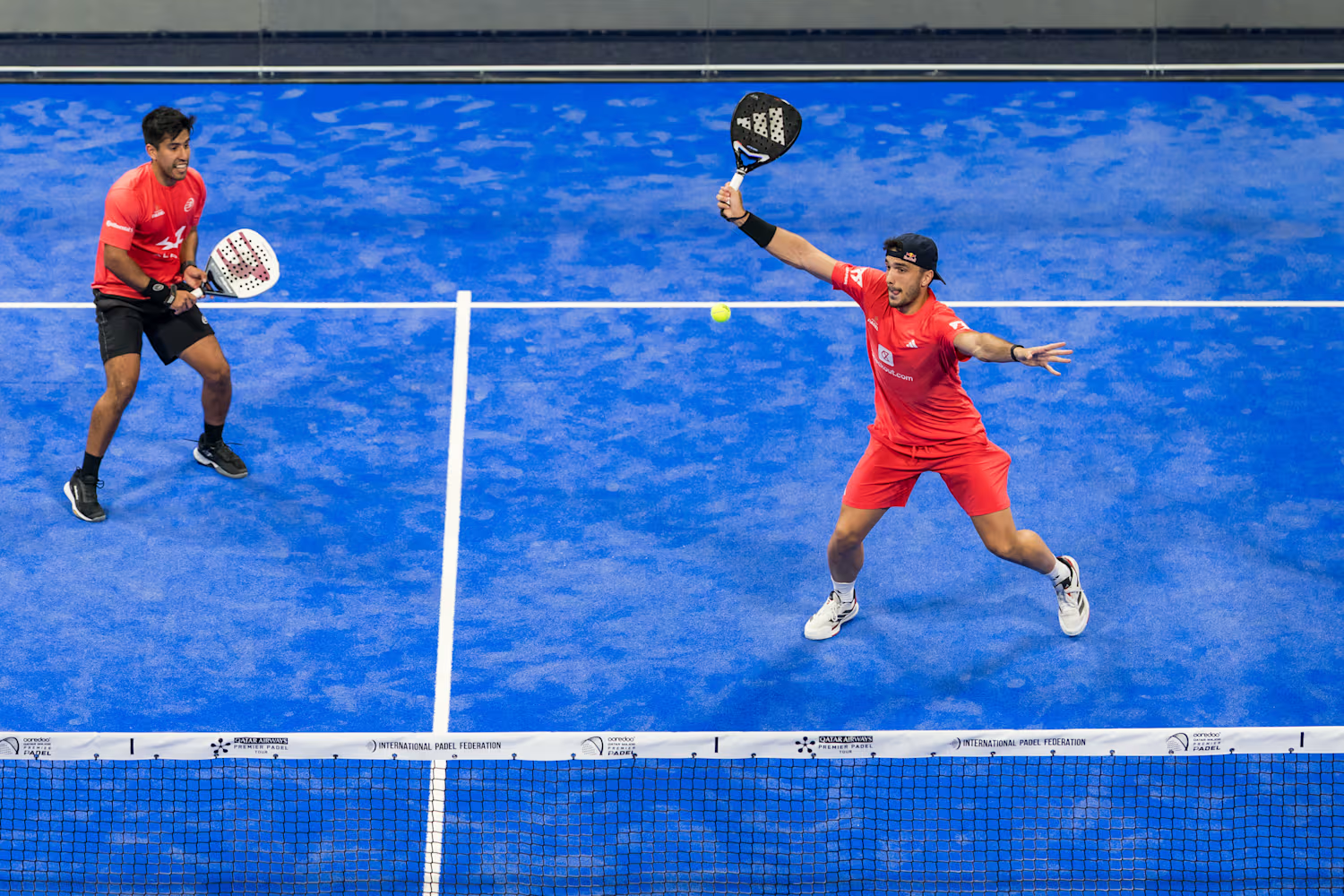
When positioned at the net, many players tend to volley toward the defender’s back glass (glass wall no. 4), even though this is the easiest ball for defenders to return. This tactical drill prohibits volleying toward glass wall 4, encouraging attackers to target…
As a gift, we’re giving you 5 padel tactics inspired by top players and pro academies. To unlock 300+ premium drills with animations and videos, as well as ready-to-use training sessions, subscribe and join our community of 540+ coaches and players.
Used in training by Rodrigo Ovide, this mental drill puts players under constant pressure in every rally. Each unforced error is immediately punished by moving the opponents straight to 40 on the scoreboard, giving them a direct opportunity to…
The most important thing on a return of serve is not to make a fault, and this tactical exercise will train the player(s) in this ability. It encourages the receiver(s) to make the opponent volley on the return of the first serve, i.e. to avoid making a fault on the return of serve by taking unnecessary risks.
This tactical exercise teaches players to maximize their advantage on the volley by playing only on the sides of the court, and not in the middle, to avoid easy balls to the opponent.
This exercise demonstrates a simple tactic used by many players on the pro circuit, including Paquito Navarro, to gain the advantage in the exchange from the very start of the point.
These sessions cover the fundamentals of padel, breaking down each stroke step by step to learn it progressively. They are suitable for beginner players who are learning the technical motions, as well as intermediate players who want to improve their technical precision.